What we are building

A controlled Los Angeles pilot designed to prove the model before expansion.

1 controlled pilot

Start with one approved location, document the result, then evaluate expansion.

60–100 youth

Planning target for supervised design and civic-learning activities—not active construction work.

From a visible hazard to a visible act of care

Input: Community reports, City coordination, licensed contractors, teaching artists, youth workshops, and funding partners.

Activity: Evaluate a damaged location, obtain approvals, complete an accessible repair, and add an approved visual treatment or nearby permitted artwork.

Near-term outcomes: One documented hazard addressed, young people engaged in civic design, and neighbors connected through a tangible project.

Long-term goal: A repeatable neighborhood model for safer walking routes, youth arts education, and community stewardship.
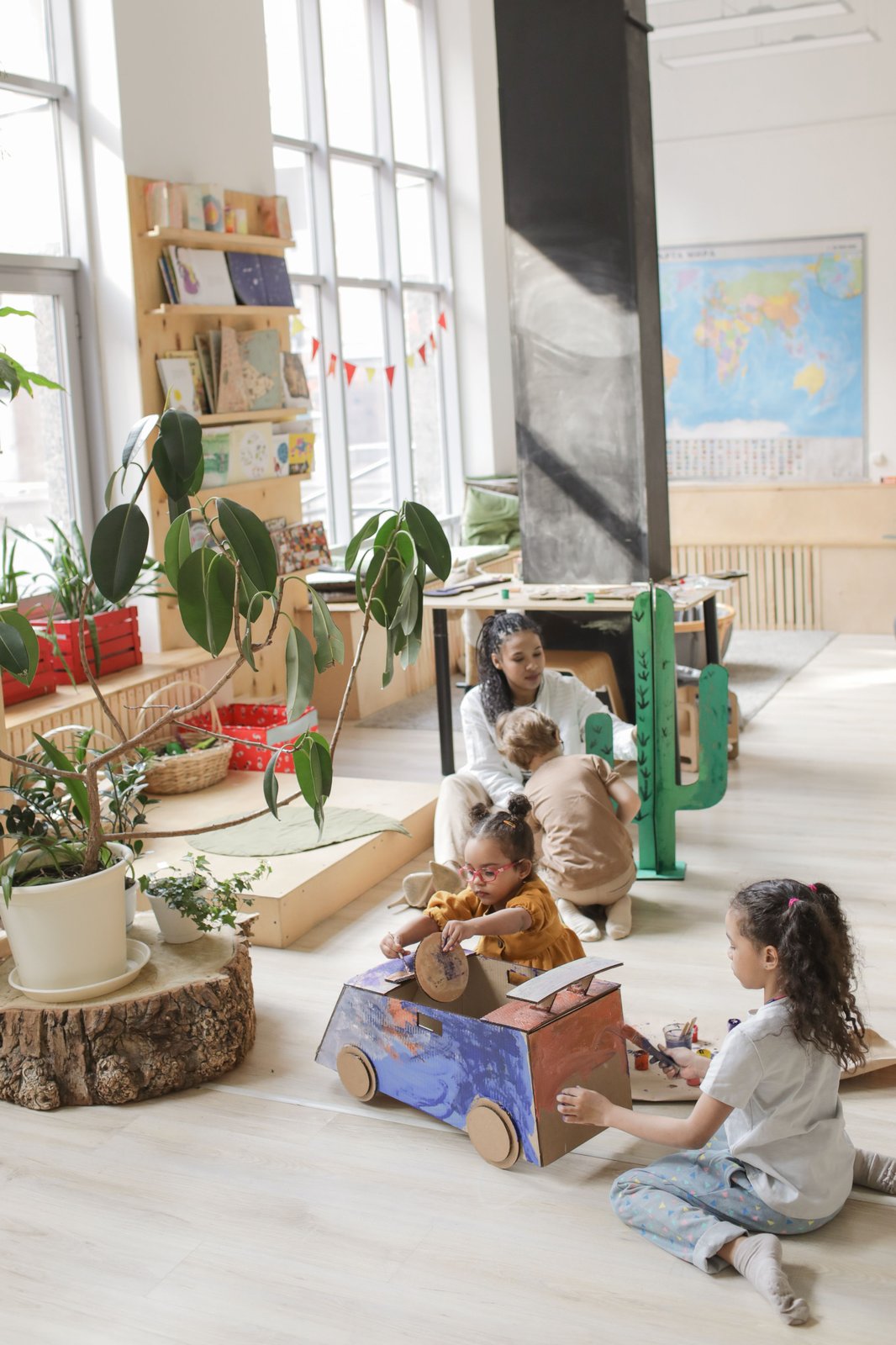
Young people collaborating on an art project with adult guidance

What we will track

01

Safety & delivery

Sites evaluated, approvals received, panels repaired, schedule, cost, and inspection documentation.

02

Youth participation

Participants, workshop hours, attendance, design contributions, and participant or guardian feedback.

03

Community reach

Reports submitted, votes or feedback, volunteers, neighborhood partners, and event participation.

04

Durability & learning

Before-and-after documentation, condition checks, maintenance notes, accessibility records, and lessons for the next site.

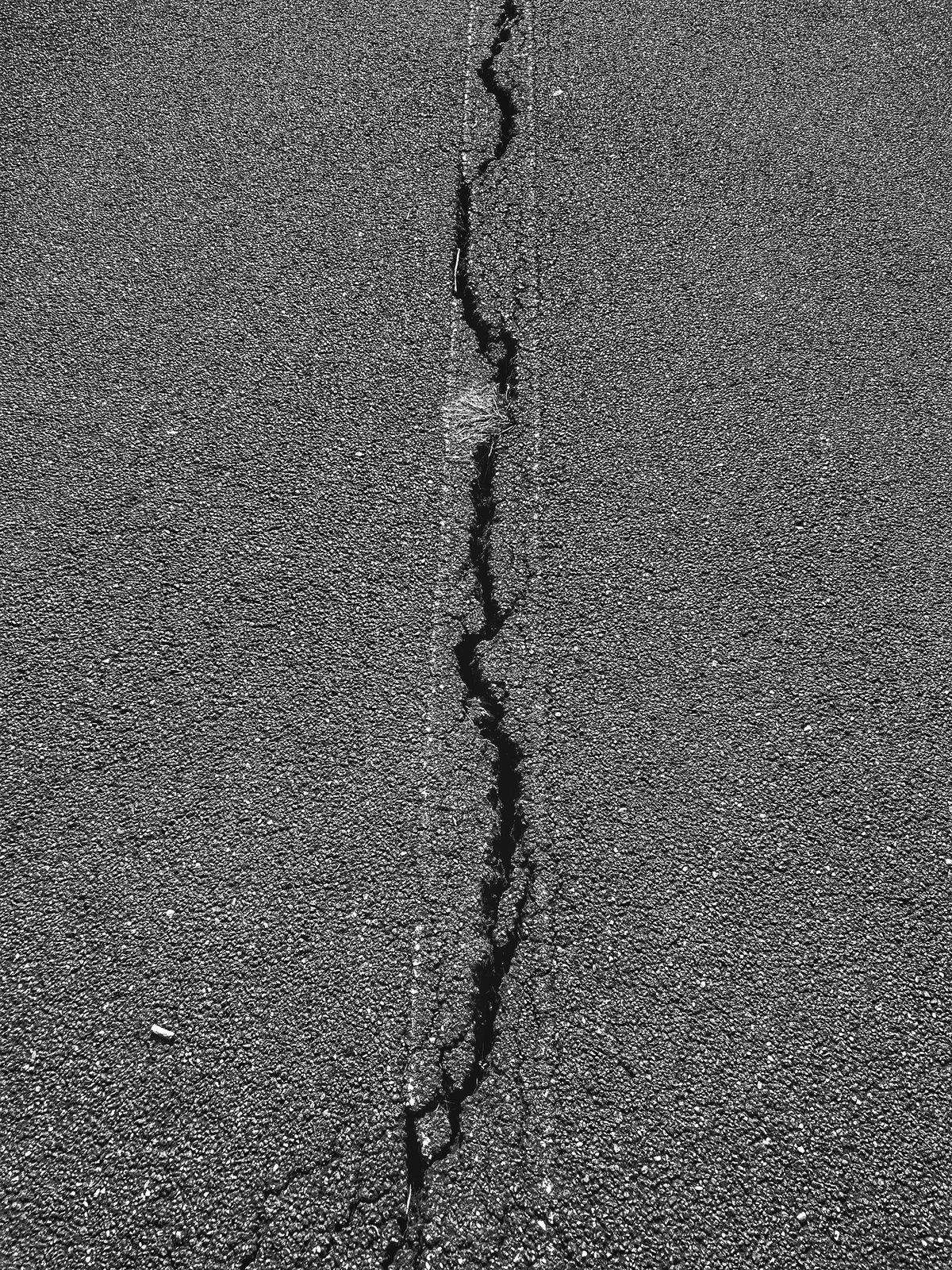
Damaged Los Angeles sidewalk illustrating the pedestrian safety problem

Permission and accessibility come first

  • Written City direction before public-right-of-way work.
  • Licensed and insured contractor controls all structural work.
  • Flush, stable, firm, slip-resistant walking surface.
  • No raised tile, grout joints, embedded objects, holes, or uneven treatment in the travel path.
  • Youth participate in supervised design and approved non-structural activities only.
  • Ownership, maintenance, insurance, and documentation rights defined before installation.

Read the permitting and accessibility FAQ →

Where support can make a difference

Current figures are planning estimates and will be updated with quotes and written requirements.

Pilot planning

Site assessment, accessibility review, contractor scoping, permit coordination, insurance, and safety documentation.

Youth arts programming

Teaching-artist time, curriculum, materials, supervised workshops, background checks, and participant support.

Approved installation

Concrete repair, approved color treatment or nearby permitted artwork, pedestrian control, inspection, and closeout.

Evidence & storytelling

Photography, outcome tracking, community feedback, condition checks, public reporting, and replication planning.

Status: The working Year 1 model is $38,700, with an initial one-panel pilot before scale. California public-benefit formation and federal 501(c)(3) status are pending; no tax-deductibility representation is made on this page.

Help shape a fundable first pilot

We welcome foundations, businesses, artists, accessibility advisers, contractors, and community organizations interested in a careful Los Angeles proof of concept.