Four Steps, One Panel at a Time

01

Snap a Photo

Residents use our mobile app to photograph damaged sidewalk panels. The app automatically captures geolocation, so we know exactly where the hazard is. No forms. No phone trees. Just a photo and a tap.

Each submission is reviewed by our team to confirm it is a legitimate sidewalk panel (not a driveway or private walkway) and to assess whether it is a tripping hazard.

  • Photo upload with automatic GPS tagging
  • Simple category tags: crack, lift, root damage
  • Monthly submission window closes on the 15th
  • Anonymous or named submissions both accepted
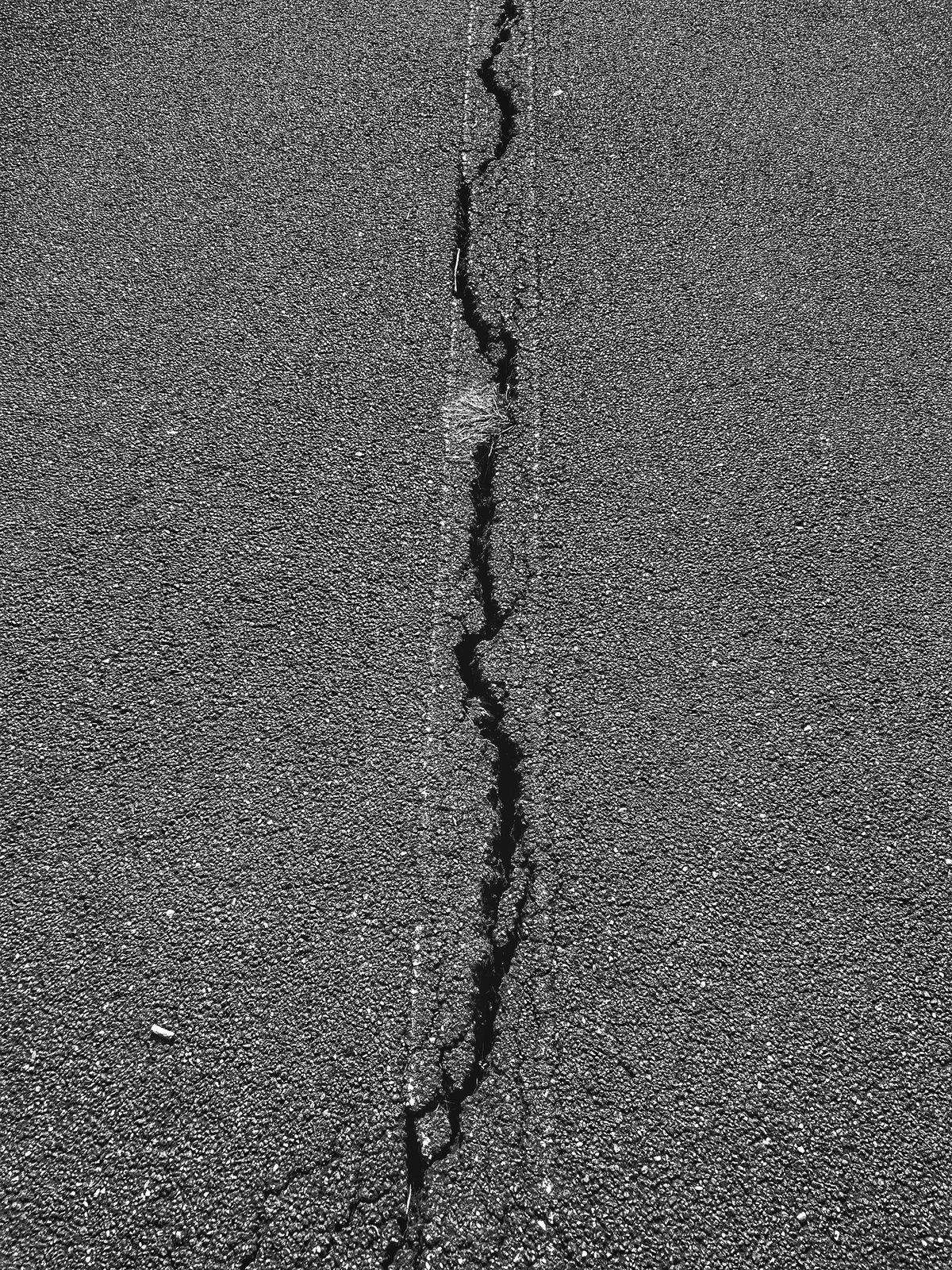
Cracked and lifted sidewalk panel ready for repair
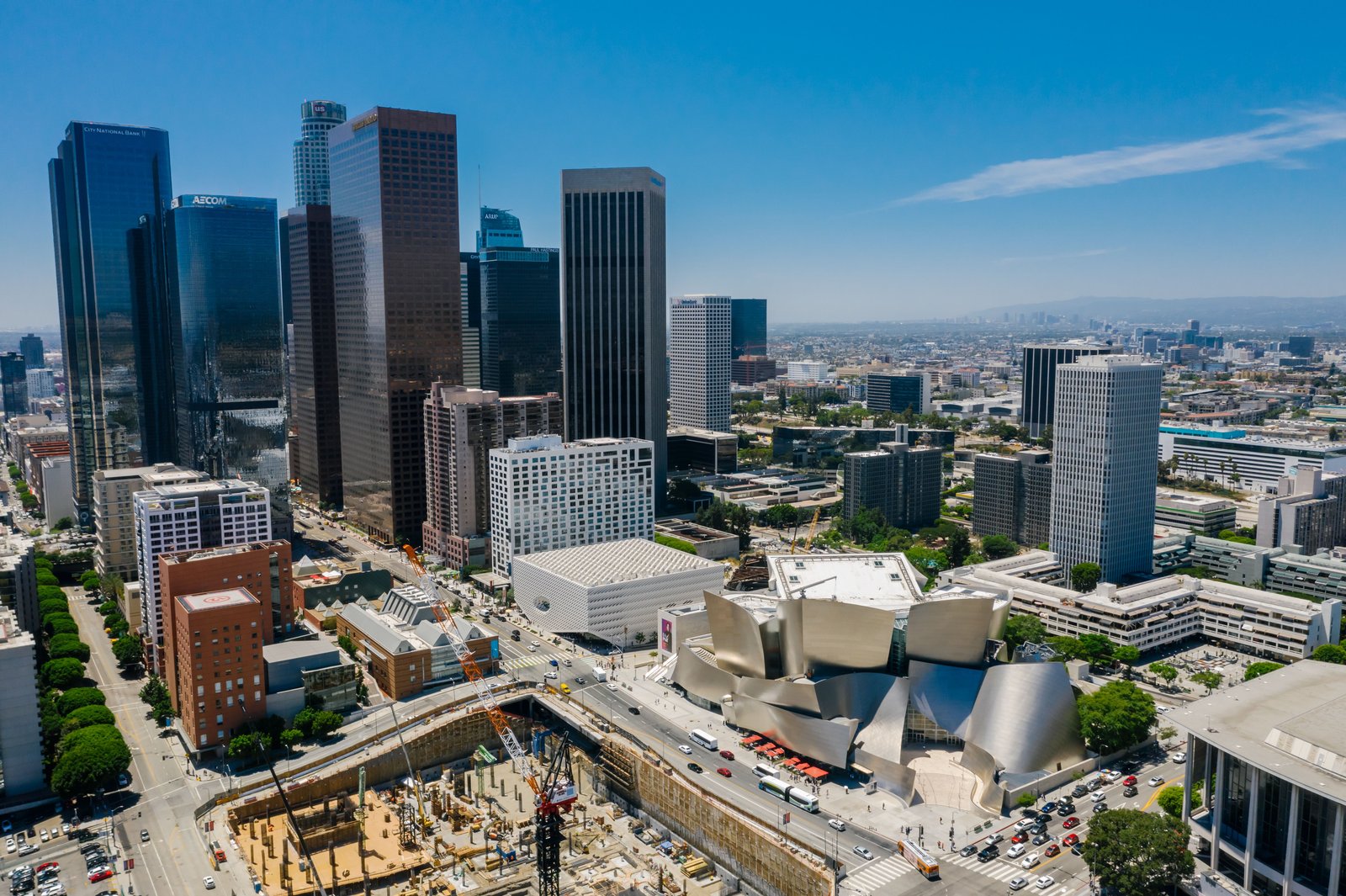
Los Angeles cityscape where neighbors vote on sidewalk repairs
02

Community Votes

Once a month, the neighborhood votes on which submitted panel matters most. The top-voted panel wins. This ensures we are fixing what the community actually cares about, not what an algorithm or a bureaucrat decides.

Voting is open to anyone in the neighborhood council district. One vote per verified address to prevent ballot stuffing.

  • Voting period: 7 days each month
  • Results announced publicly within 48 hours
  • Runner-up panels stay in the queue for next month
  • Property owner consent confirmed before work begins
03

Repair & Create

A licensed concrete crew removes the damaged panel, preps the base, and pours new concrete. Then our teaching artist leads neighborhood kids in designing and installing a mosaic on the fresh surface.

The mosaic process typically takes two weekends. The first weekend is design: kids sketch patterns, choose colors, and learn about mosaic techniques. The second weekend is installation: cutting tile, setting grout, sealing the surface.

  • Licensed, insured concrete crew handles structural work
  • Teaching artist leads all youth design sessions
  • Weather-resistant tile, grout, and sealant used
  • City right-of-way permit obtained before any work begins
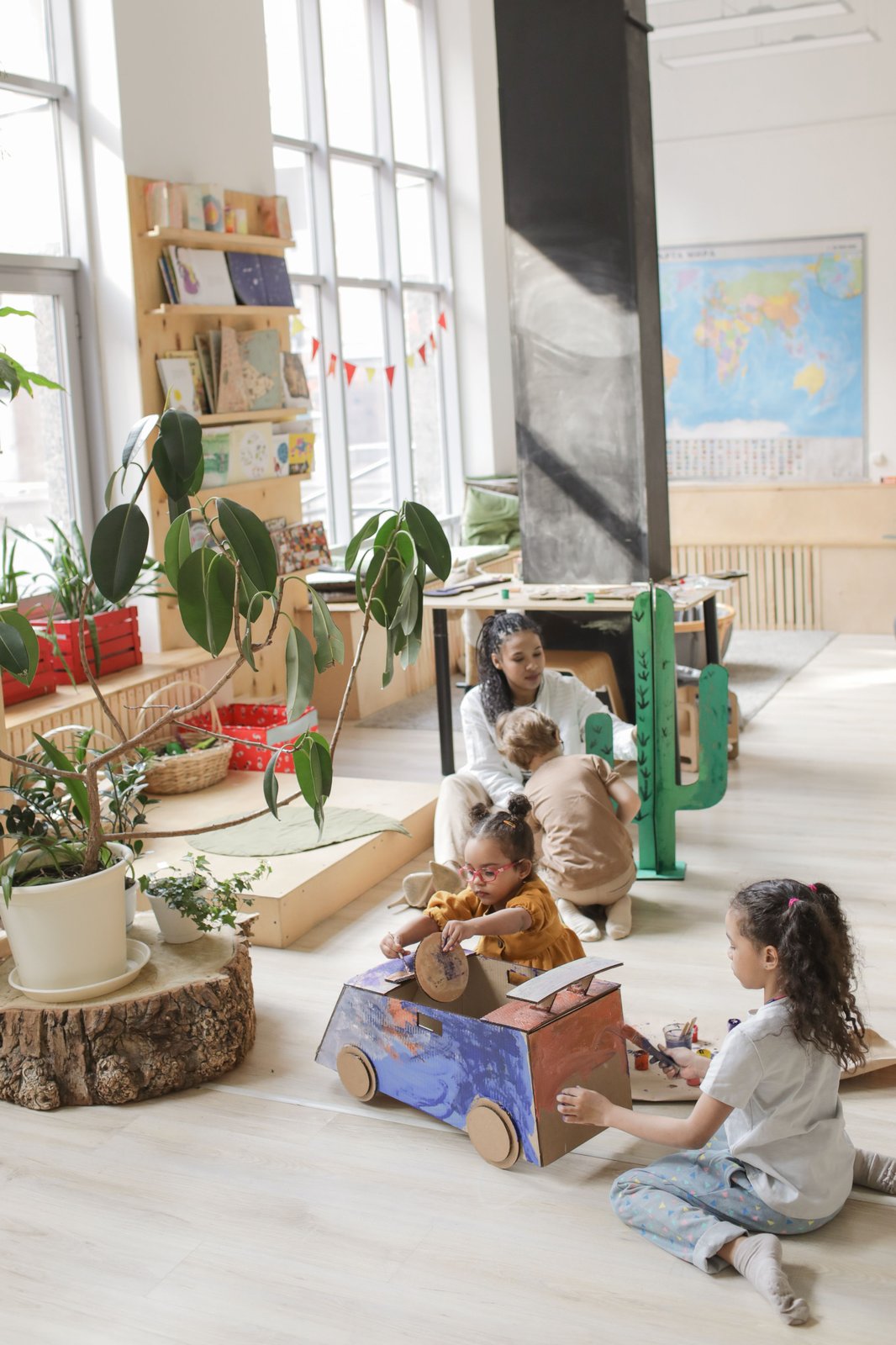
Teaching artist guiding children through mosaic creation
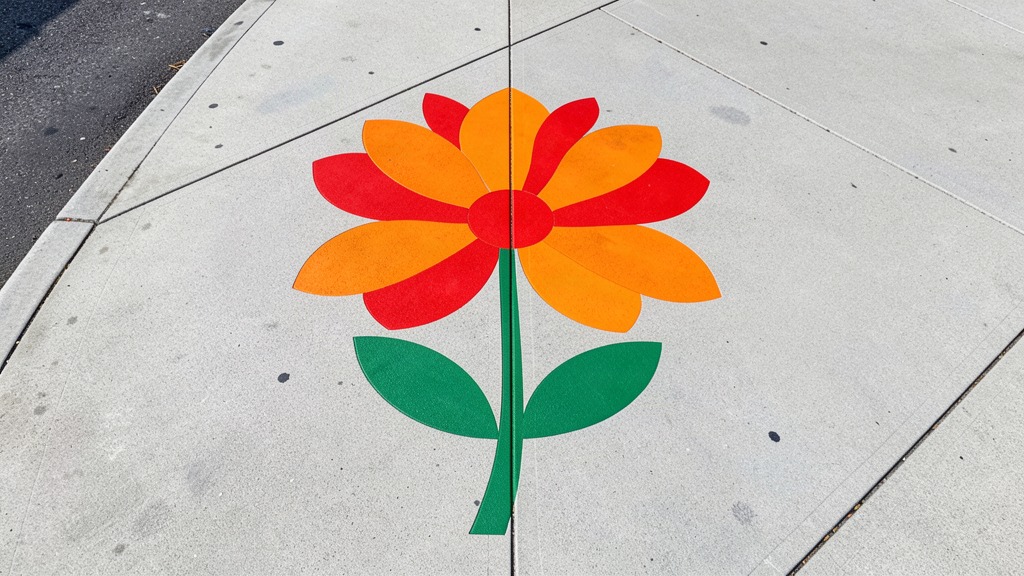
Finished colorful mosaic panel on sidewalk
04

Celebrate & Share

We document every panel with professional before and after photography. The young artists get credit by name (or tag, if they prefer). Sponsors get public recognition on the panel and across our digital channels.

Then we move to the next panel. Same neighborhood. Same process. Same community. By the end of Year 1, the Fairfax / Mid-City West pilot will have produced 10 panels and engaged roughly 100 neighborhood kids.

  • Professional photography and drone documentation
  • Social media campaign tagging artists and sponsors
  • Annual impact report for all funders
  • Panel added to permanent online gallery and map

What One Panel Costs

Our Year 1 pilot will complete 10 panels in the Fairfax / Mid-City West neighborhood. Here is where the money goes.

Variable Cost Per Panel

Item Description Cost
Concrete Repair Licensed crew: removal, base prep, pour, cure $900
Mosaic Materials Tile, grout, sealant, safety gear for kids $1,000
Teaching Artist Stipend for design sessions and installation guidance $400
City Permit Right-of-way work permit from LA Bureau of Street Services $400
Total Per Panel $2,700

Year 1 Fixed Operating Costs

Item Monthly Year 1 Total
Bookkeeping & Administration $300 $3,600
General Liability & Program Insurance $250 $3,000
App Hosting & Maintenance $200 $2,400
Marketing & Social Content $100 $1,200
501(c)(3) Formation & Legal Fees One-time $1,000
Branding & Basic Website One-time $500
Total Fixed & Startup $850/mo $11,700

Total Year 1 Pilot Budget: $38,700

(10 panels at $2,700 each + $11,700 fixed and startup costs)

Year 1 at a Glance

Q1

Foundation

File nonprofit paperwork. Confirm pilot neighborhood. Hire teaching artist. Get first permit. Launch app beta.

Panels: 1

Q2

Momentum

Submit first small community arts grant. Host neighborhood vote events. Complete panels 2 and 3. Recruit youth participants.

Panels: 3

Q3

Growth

Secure corporate sponsors for panels 4 through 7. Expand social media presence. Document and publish first impact stories.

Panels: 4

Q4

Proof

Complete panels 8 through 10. Apply for medium youth development grant. Publish annual impact report. Plan Year 2 expansion.

Panels: 3

Scaling Path

We are not building a single installation. We are building a repeatable model that works in any neighborhood with cracked sidewalks and kids who want to create.

Year 2: Scale to 30 panels across three neighborhoods. Revenue grows to approximately $95,000 through larger grants and expanded sponsorships. Total costs reach approximately $91,000. The program breaks even.

Year 3: Expand to 60 or more panels annually. By now, Sidewalk Stories LA has a track record, a portfolio of completed mosaics, and a diversified funding base. The program becomes self-sustaining.

Los Angeles skyline representing neighborhoods ready for Sidewalk Stories LA expansion

Fund a Panel

$2,700 repairs one panel, pays the teaching artist, and engages 10 neighborhood kids in public art creation.